Introduction
In the world of competitive shooting, the International Practical Shooting Confederation (IPSC) is renowned for its tough and vibrant courses. Among the most interesting elements of IPSC shooting is engaging moving targets, which check a shooter's abilities in a real-world scenario. To genuinely master IPSC competitors, it is important to master the methods required to efficiently engage moving targets.
Mastering Moving Targets: Advanced Techniques for IPSC Training
Understanding IPSC Targets
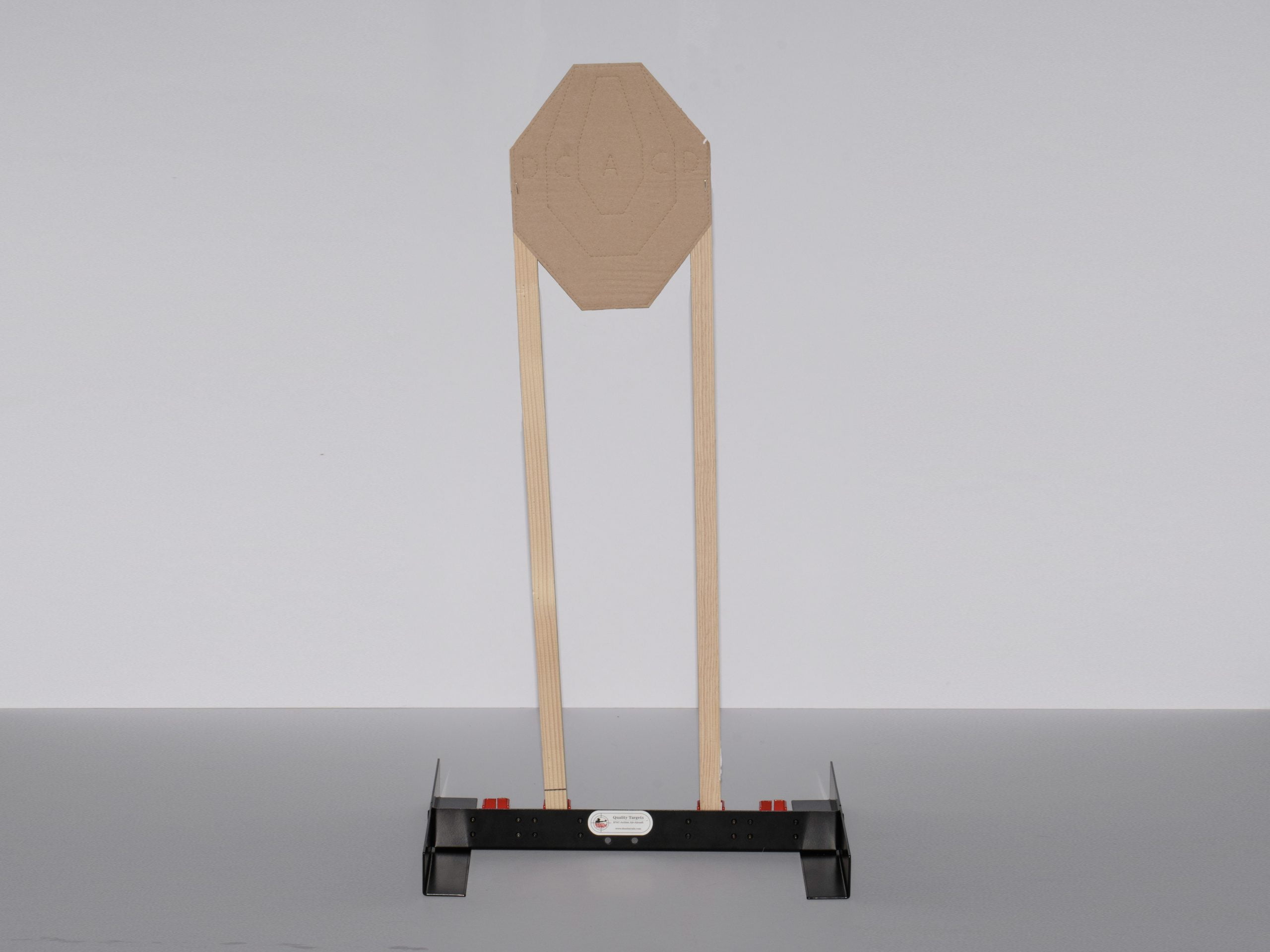
Before delving into the innovative techniques, it is essential to have a clear understanding of IPSC targets. These targets typically are available in the type of cardboard shapes that mimic real-life hazards. They are strategically placed on a course and can be fixed or moving. The scoring zones on these targets are divided into A, B, C, and D zones, with A representing the highest-scoring area.
The Value of Quality IPSC Targets
When it pertains to training for IPSC competitors, the quality of your targets plays a substantial function in honing your skills. Purchasing premium IPSC cardboard targets ensures that you train with sensible representations of possible risks. Shoot N' Train IPSC Targets are commonly regarded as some of the very best options readily available, supplying shooters with long lasting and accurate targets that boost their training experience.
Developing Accuracy on Moving Targets
Engaging moving targets needs exceptional hand-eye coordination and accuracy. Here are some innovative strategies to help you establish your abilities:
Lead the Target: To effectively hit a moving target, you should expect its trajectory and aim somewhat ahead of it. This strategy is referred to as leading the target and requires practice to perfect.

Maintain Focus: Keeping your eyes locked on the target throughout its movement is crucial. By keeping focus, you can make accurate changes to your aim as necessary.
Smooth Trigger Control: Keeping a consistent trigger pull is vital when engaging moving targets. Jerky or hurried trigger pulls can cause your shots to miss out on the mark.
Follow-Through: After conjecturing, continue tracking the target to ensure you maintain control and precision. Correct follow-through is key to mastering moving targets.
Strategies for Engaging Moving Targets
In addition to developing accuracy, utilizing efficient methods can considerably enhance your performance when engaging moving targets. Here are some sophisticated techniques:
Shoot on the Move: Mastering shooting while on the move is crucial in IPSC competitions. Practice engaging targets while preserving a steady speed, guaranteeing you remain well balanced and accurate.
Body Positioning: Positioning your body correctly can greatly enhance your ability to engage moving targets effectively. Comprehending how to stabilize yourself while maintaining mobility is key.
Transitioning in between Targets: IPSC courses often feature several moving targets that require fast shifts. Training to efficiently acquire new targets and smoothly shift between them is important for success.
Engage from Various Angles: To replicate real-life situations, training must include engagements from various angles and distances. This variety challenges your versatility and enhances your general shooting skills.
Use Cover Effectively: Integrating cover into your training exercises assists mimic real-world situations where you need to engage moving targets while taking cover. Practice shooting from behind obstacles to improve your abilities in this aspect.
FAQs
Q: How can I improve my precision on moving targets?
A: Improving precision on moving targets needs action air swinger targets and strategies mastering methods such as leading the target, maintaining focus, smooth trigger control, and correct follow-through. Consistent practice and training with quality IPSC targets are essential.
Q: What are some typical errors shooters make when engaging moving targets?
A: One common mistake is failing to lead the target effectively, leading to shots behind the moving target. Hurried or jerky trigger pulls, lack of focus, and bad body placing can likewise affect accuracy.
Q: How often should I train on moving targets?
A: Routine training is vital to mastering moving targets. Go for a minimum of 2 to 3 sessions per week, committing particular time to engage moving targets and practice the advanced methods discussed.
Q: Can I practice engaging moving targets without a range?
A: While it is ideal to have access to a variety with moving target systems, you can still practice some elements of engaging moving targets in the house. Dry-fire drills, target visualization workouts, and mental imagery can all contribute to your training.
Q: Are there any particular drills I can integrate into my training routine?
A: Yes, there are several drills you can integrate, such as the "Swinging Target Drill," which includes interesting numerous moving targets in quick succession. The "Transitions Drill" focuses on effectively transitioning between targets.
Q: How do IPSC competitions test abilities on moving targets?
A: IPSC competitors feature courses with numerous circumstances involving fixed and moving targets. Shooters need to navigate these courses while showing accurate engagement of the targets within a specified time limit.
Conclusion
Mastering moving targets is a necessary aspect of IPSC training for those seeking to excel in competitive shooting. By comprehending IPSC targets, purchasing quality equipment like Shoot N' Train IPSC Targets, establishing precision methods, using reliable techniques, and consistent training, shooters can improve their abilities and increase their opportunities of success in IPSC competitions. Keep in mind that practice makes ideal and always prioritize security while training.